.jpg)



Powering Uganda’s future: From policy to community level action
Updated: May 5

Uganda faces a defining challenge: how to achieve middle-income status by 2040 while cutting emissions by nearly a quarter by 2030. Closing the gap between economic ambition and climate commitment was the focus of the Parliamentary Green Investment Dialogue held in Kampala on 16–17 April 2026, which brought together policymakers, investors and development partners to explore practical pathways forward.
The message from participants was consistent. Uganda’s growth ambitions and climate commitments must move together. As climate impacts intensify, the focus is shifting from planning to implementation. However, a major barrier remains. Uganda needs over USD 28 billion by 2030 to meet its climate targets, yet current financing falls far short.
Participants agreed that unlocking investment depends on creating the right conditions. “As MPs we must support approaches that lower the cost of capital, manage risk and build confidence in our market,” said Hon Shartsi Musherure, Chairperson of the Parliamentary Steering Committee. Her message reflected a broader concern that without reducing risk, attracting capital will remain difficult.
Voices from across the sector reinforced this. Renewable energy developer Mr Solomon Odongo noted: “We are not short of ideas or projects. What we need are structures that make these projects bankable and attractive to long-term financing.” At the local level, Mr. Bill Gates Magondo pointed to the tangible difference energy access can make: “When energy reaches the parish, it changes everything. It creates jobs, supports small businesses and improves livelihoods in ways people can see immediately.”
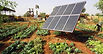
One solution gaining strong support is the development of Community Green Energy Zones (CGEZs). Linked to the Parish Development Model, a government approach that uses the parish as the main planning unit to move households from subsistence to income-generating activities through coordinated local investments, CGEZs aim to connect renewable energy with productive uses such as agro-processing and small industries, turning policy into visible local impact.
Participants also highlighted the importance of integrated planning and blended finance to reduce costs and attract investment. As Ms Praise Maruye observed, “If we get the policy right and connect it to real projects on the ground, investments will follow.”
The dialogue demonstrated that the building blocks are in place, committed legislators, credible projects and a policy framework linking national targets to local delivery. Progress will depend on how well policy, finance and local action come together to deliver results on the ground. The next step is turning momentum into measurable progress, one parish at a time.
Getrude Anirwoth & Ronald Muyingo
Policy Coordinators, Uganda


